Saturday, 3 November 2012

YMCA Stepping Up for Health in Ottawa


I have to admit it, when we were first approached by the YMCA here in Ottawa to discuss a partnership I wasn't too sure. For whatever reason I associated the YMCA with for lack of a better descriptor - discount fitness.

Boy was I shocked when I actually popped by.

The facilities were spectacular, truly top-rate equipment, clean, spacious and most importantly, welcoming.

The YMCA isn't like some other fitness facilities - it's terrifically inclusive and doesn't give off the elitist vibe that some gyms might.  Amazingly too, the YMCA is truly for everyone in that there's no such thing as not being able to afford it as they have the means to assess need, and if need be, offer their services freely.

I blogged a few weeks ago about the incredible free program the Y is offering Grade 6 students.  Today I'd like to highlight the exercise prescription pads they whipped up for us. Simply put, they're prescription pads that can be used by any health care provider to extend to their patient a one week free pass to the Y. No strings. No obligations. And they created the program and pads consequent to a simple discussion with us where we suggested they might be useful to local physicians.

We'll be giving them out at our trenchtalks Ottawa event tomorrow, but if you're a health care provider in Ottawa and you'd like a pad or two for your practice, just give our front desk a call at 613-730-0264, or pop by our office.

Thanks YMCA-YWCA of the National Capital Region!

Source: http://feedproxy.google.com/~r/blogspot/fLgR/~3/CgcxsnT7nuI/ymca-stepping-up-for-health-in-ottawa.html

diet for diabetics natural weight loss diet chicken recipes belly fat diet hgc diet

Introducing the affiliate program

Just a quick note to let everyone know I have a new affiliate program for my digital products like the Personal Paleo Code, Healthy Baby Code and High Cholesterol Action Plan.

If you’ve used these products and benefited from them, and you believe others would as well, why not help promote them and earn a little extra money on the side?

I pay a 33% commission on all sales, and it’s free to sign up. Click here to learn more about it and get started.

Note: if you’re already signed up as an affiliate, we’ll be sending you an email with a link to the new affiliate center, along with new login credentials. We recently moved to a new affiliate platform and you’ll need this information to access your affiliate stats, links and banners. We’ve also made a few changes in our policies, so please be sure to review this email and complete the necessary steps.

Source: http://chriskresser.com/introducing-the-affiliate-program

no fat diet

“Eat Less Sugar – You’re Sweet Enough Already.”

Source: http://www.losingweight.com/weight-loss-quotes/eat-less-sugar-youre-sweet-enough-already?utm_source=rss&utm_medium=rss&utm_campaign=eat-less-sugar-youre-sweet-enough-already

diabetes diet easy diet 800 calorie diet mediteranean diet paleo diet

Friday, 2 November 2012

Why local trumps organic for nutrient content

I’m sure by now many of you have heard about the Stanford study claiming that organic foods are no healthier or safer than conventional alternatives.

There were so many problems with this study and the media reporting of it that it’s difficult to know where to start. To begin with, their results did not, in fact, support the claim that organic foods are “no healthier or safer” than conventional alternatives. Their data – if we are to take them at face value – suggest only that organic produce is no more nutritious than conventional produce. From their own conclusion:

The published literature lacks strong evidence that organic foods are significantly more nutritious than conventional foods. Consumption of organic foods may reduce exposure to pesticide residues and antibiotic-resistant bacteria.

According to the authors, organic foods are no more nutritious than conventional foods. But, ahem, eating organic foods may reduce exposure to pesticide residues and antibiotic-resistant bacteria. Somehow that last bit just slid right by in most of the media coverage of the study. The headlines were all about how organic is no better than conventional in terms of nutrient content, but few articles analyzed the significance of the increased exposure to pesticide and antibiotic resistance bacteria. No mention of the fact that pesticides, herbicides and other harmful chemicals that have been shown to cause health problems – especially in vulnerable populations like children. No mention of the 2010 report issued by a panel of scientists convened to study the effects of environmental toxins on cancer urging Americans to eat organic produce grown without pesticides, fertilizers or other chemicals, because the U.S. government has grossly underestimated the number of cancers caused by environmental toxins. No mention of the especially high risk these chemicals present to unborn children, such as lifelong endocrine disruption, hormone imbalances and other problems.

As important as those omissions are, I’d like to focus instead on nutrient content – since that is what the media coverage of the study primarily focused on. Is it really true that organic foods are no more nutritious than conventional foods?

Did the Stanford researchers stack the deck against organic?

Mark Sisson has written an extensive critique of the Stanford study. He pointed out that it inexplicably omitted or undervalued certain nutrients from the comparison that have already been shown to be more concentrated in organic foods, such as vitamin C, polyphenols and flavonoids. He also references several other studies showing higher content of various nutrients in organic foods.

Mark highlights one study in particular which found that:

differences existed between newly-organic farms and more “mature” organic farms; the longer soil was worked using organic methods, the more nutrient-rich its produce. Thus, it’s possible that many of the studies showing little to no difference between conventional and organic were using “young” organic farms that had yet to reach their potential.

I think the balance of evidence suggests that organic food is, in fact, more nutritious than conventional food when the full nutrient spectrum is considered. And that’s important because we’ve learned a lot about how important many of the “secondary metabolites” in food that weren’t measured in the Stanford study are to human health.

When it comes to nutrient content, local trumps organic

But the most glaring omission in the study, from my perspective, was that the authors didn’t once mention the most important factor of all when it comes to the nutrient content of produce: how long it has been out of the ground before it is consumed.

Most of the produce sold at large supermarket chains is grown hundreds – if not thousands – of miles away, in places like California, Florida and Mexico. This is especially true when you’re eating foods that are out of season in your local area (like a banana in mid-winter in New York). Consider this:

The average carrot has traveled 1,838 miles to reach your dinner table.Tweet This

Days – maybe more than a week – have passed since it was picked, packaged and trucked to the store, where it can sit on the shelves even longer.

The problem with this is that food starts to change as soon as it’s harvested and its nutrient content begins to deteriorate. Total vitamin C content of red peppers, tomatoes, apricots, peaches and papayas has been shown to be higher when these crops are picked ripe from the plant. This study compared the Vitamin C content of supermarket broccoli in May (in season) and supermarket broccoli in the Fall (shipped from another country). The result? The out-of-season broccoli had only half the vitamin C of the seasonal broccoli.

Without exposure to light (photosynthesis), many vegetables lose their nutrient value. If you buy vegetables from the supermarket that were picked a week ago, transported to the store in a dark truck, and then stored in the middle of a pile in the produce section, and then you put them in your dark refrigerator for several more days before eating them, chances are they’ve lost much of their nutrient value. A study at Penn State University found that spinach lost 47% of its folate after 8 days.

And here’s the thing: this nutrient loss happens regardless of whether the produce is conventional or organic.

This is why buying your produce at local farmer’s markets, or even better, picking it from your backyard garden, are better options than buying produce shipped from hundreds or thousands of miles away – regardless of whether it’s conventional or organic. Fruits and vegetables from local farms are usually stored within one or two days of picking, which means their nutrient content will be higher. And as anyone who’s eaten a fresh tomato right off the vine will tell you, local produce tastes so much better than conventional produce it might as well be considered a completely different food.

The research study I’d really like to see is one comparing the following:

  • “Industrial” organic produce (i.e. produce harvested more than a week before it’s consumed)
  • “Industrial” conventional produce
  • Local organic produce (i.e. produce harvested within a couple of days of consumption)
  • Local conventional produce

Which should you choose? Conventional? Local? Organic?

Based on the data we have, my guess is both organic and conventional local produce would beat out industrial organic and conventional in terms of nutrient content. So if nutrient content is your only concern, choosing locally grown foods (both organic and conventional) over foods from distant locales is your best bet.

However, if you’re concerned about exposure to pesticide and antibiotic-resistance, industrial organic might be a better choice than local conventional (assuming no local organic option is available).

Of course the best choice of the four is to buy local, organic produce: it will have the highest nutrient content and the lowest levels of pesticide and antibiotic-resistant bacteria. And it’s also more supportive of fair labor practices, the maintenance of healthy soil and biodiversity and the strength of local communities. There’s a lot more to food than nutrition.

If money is tight and you can’t afford to buy local, organic produce from farmer’s markets exclusively, here’s what I’d suggest:

  • Choose organic when it matters most. Some foods tend to be higher in pesticides than others. See this list for the 12 fruits and vegetables you should always buy organic.
  • Buy local, conventional varieties rather than “industrial” conventional varieties whenever possible.
  • Consider joining a CSA program. This is a convenient and often cheaper (than shopping at farmer’s markets) way to buy local, organic, seasonal produce. And you get to support your local farmers in the process.
  • Start growing some of your own food. This is of course the cheapest alternative of all, and the most satisfying.

Now I’d like to hear from you. Do you notice a big difference between local and “industrial” produce, even when it’s organic? If you had to choose between local, conventional produce and industrial, organic produce, which would you choose? Please share your thoughts with us in the comments section.

Source: http://chriskresser.com/why-local-trumps-organic-for-nutrient-content

meal plans for weight loss weight management 1200 calorie diet fast weight loss tips i want to lose weight

What Are We Going To Do About It: Dr. J Reviews the Movie “Branded”

Contributor: “Dr. J”
Dr. J offers his irreverent, slightly irrelevant, but possibly useful opinions on health and fitness. A Florida surgeon and fitness freak with a black belt in karate, he runs 50 miles a week and flies a Cherokee Arrow 200.

Can you remember when the name of the product brand went from being on the inside of the product to emblazoned on the outside? The just-released Russian and American science fiction film “Branded” put this concept on anabolic steroids.

The movie tells the tale of Misha Galkin, a Russian marketing executive played by Ed Stoppard. Galkin was struck by lightning as a child and goes on to live an extraordinary life.

With the opening credits, the names of famous visionaries including Joan of Arc, Einstein and Alexander the Great are seen on the screen with the caption, “All of them saw things others didn’t see. All of them changed the world.”

Misha could see what others didn’t see, but changing the world would take more than he could ever have imagined. In one telling scene, he remarks to his love interest, Abby Gibbons, played by Leelee Sobieski, “The castrated sheep does not know what has been lost!”

This was soon followed by what I see as the primary warning message of the movie: “Brands were formed from people’s desires, now it’s the people that are being formed according to the desires of the brands.”

I was fascinated by the movie’s portrayal of the unseen problem of food addiction, and how fast food was singled out as a major player in that issue. At one point in the movie, the executives of fast food companies decided that to make fast food profitable again, they must change the public perception of beauty and “make fat the new fabulous.”

In a central scene, Misha is asked by Abby, “What are you gonna do about it?”

Life is not a movie. What are we going to do about it?

Ed. note: Enjoyed this post? Click the “Like” button below and be sure to “Like” the CalorieLab Facebook page.

What Are We Going To Do About It: Dr. J Reviews the Movie “Branded” is a post from: CalorieLab - Health News & Information Blog

Source: http://calorielab.com/news/2012/10/18/what-are-we-going-to-do-about-it-dr-j-reviews-the-movie-branded/

diet tips dukan diet weight loss diets pregnancy diet diets that work

31 Reasons We Love Everything About Halloween

While this week has already been frightful enough for our friends in New York and along the East Coast, and we’re grateful for their safety, we can’t help but hope that everyone everywhere gets a chance to partake in the fun side of scary with Halloween tomorrow. It’s got to be one of the silliest [...]

Source: http://www.dietsinreview.com/diet_column/10/31-reasons-we-love-everything-about-halloween/

dieting hcg diet plan grapefruit diet dash diet weight loss

Weekend nutrifluff: Eat chocolate, win a Nobel Prize

Nutrifluff is my word for sensational research findings based on one, usually highly preliminary, study.

The best nutrifluff I’ve seen in ages is this article in the august New England Journal of Medicine: “Chocolate Consumption, Cognitive Function, and Nobel Laureates.”

The author counted the number of Nobel laureates per capita from Wikipedia and and computed the number for every 10 million people. 

He obtained data on per capita yearly chocolate consumption in 22 countries from several sources and ran the correlation.

Bingo!  Chocolate consumption correlates with the number of Nobel prize winners.

Correlation, alas, is not causation, but who cares?

Everybody loves chocolate.  Enjoy! (In moderation, of course).

Source: http://www.foodpolitics.com/2012/10/weekend-nutrifluff-eat-chocolate-win-a-nobel-prize/

cabbage soup diet losing weight fast slim fast diet cookie diet best liquid diet

Arsenic in rice: how concerned should you be?

If you knew there was arsenic in your food, would you eat it? More importantly, would you serve it to your children?

Recently, Consumer Reports Magazine released their analysis of arsenic levels in rice products, and the results were concerning. Popular rice products including white rice, brown rice, organic rice baby cereal, and rice breakfast cereals, were all found to contain arsenic, a potent carcinogen that can also be harmful to a child’s developing brain.

“In virtually every product tested, we found measurable amounts of total arsenic in its two forms. We found significant levels of inorganic arsenic, which is a carcinogen, in almost every product category, along with organic arsenic, which is less toxic but still of concern.”

The study not only found a significant amount of arsenic in many rice products on the market, but also that arsenic levels in the blood directly increase with greater rice consumption.(1) Several products tested had more arsenic in each serving than the 5 parts per billion (ppb) limit for adults set by the EPA as safe. (2)

What’s worse, many of these arsenic-containing rice products are marketed to children and infants as “health foods”, and children are far more susceptible to the dangerous impacts of arsenic exposure. (345) Research suggests that high levels of arsenic exposure during childhood are associated with neurobehavioral problems as well as cancer and lung disease later in life. (6) This means parents must be especially careful to avoid serving their children food with significant levels of arsenic.

While many of my readers follow a strict Paleo diet and couldn’t care less about arsenic in rice, there are many more who are more liberal in their diet and consume white rice as a “safe” starch. In fact, rice is often recommended by well-educated bloggers such as Paul Jaminet as a component of a perfectly healthy and enjoyable diet. I personally eat white rice on occasion and feel it is a safe starch for those who tolerate it. But now that there is a new issue with rice consumption, one that has nothing to do with carbohydrates, does that mean we should avoid it entirely?

White rice can be a “safe” starch

I don’t think it’s necessary to completely eliminate rice from the diet. The EPA’s 5 ppb per day limit on arsenic is probably what we should shoot for in our diets, in light of current evidence. Many of the white rice products tested had fairly low levels of arsenic, and in the context of a few servings a week for an adult, it’s probably not an issue. As for very young children and infants, I don’t recommend serving them rice products in general, so they shouldn’t be exposed to arsenic from rice anyway. Pregnant women may want to be cautious about their rice intake, and minimize their exposure to arsenic to protect their developing fetus; finding another safe starch to replace rice during pregnancy would be wise.

So if you choose to purchase white rice, buy a brand made in California like Lundberg; their California White Basmati Rice has only 1.3 to 1.6 ppb arsenic per serving (1/4 cup uncooked), well below the safe limit. In addition, rinsing the rice before cooking and boiling it in a high water-to-rice ratio can help reduce the arsenic content significantly. (7) So if you want to keep white rice as a part of your diet, I recommend looking for a safe brand like Lundberg and rinsing the rice thoroughly before cooking in a large quantity of water; this should be adequate to make rice a safe food to eat in moderation.

Brown rice: Not a health food!

Brown rice, on the other hand, has significantly more arsenic than white rice and should be avoided or consumed rarely. Some of the brown rice brands tested contained at least 50% more than the safe limit per serving, and a few even had nearly double the safe limit. (PDF with complete details of test results) Note that some of the worst offenders for arsenic are made from brown rice: processed rice products like brown rice syrup, brown rice pasta, rice cakes and brown rice crisps. These processed products are commonly consumed by those following a “healthy” whole grain rich or gluten-free diet, but they clearly pose a significant risk of arsenic overexposure, especially if a person eats more than one serving per day. Obviously, brown rice is not a food that should be a dietary staple, or even eaten on a regular basis.

#Arsenic: another reason to prefer white rice over brown? Tweet This

Aside from having a higher arsenic content, there are other reasons to avoid brown rice: it’s harder to digest and nutrient absorption is likely inferior to white rice because of phytates in the rice bran. (8) Despite a higher nutrient content of brown rice compared to white rice, the anti-nutrients present in brown rice reduce the bioavailability of any vitamins and minerals present. (9) Plus, brown rice also reduces dietary protein and fat digestibility compared to white rice. (10) In short, brown rice is not a health food for a variety of reasons, and a higher arsenic content is simply another reason to avoid eating it.

No food is completely safe or without some level of contamination risk: vegetables make up 24 percent of our arsenic exposure and tap water can legally contain 10 ppb arsenic per liter (some systems even exceed the legal limit.) (11) So while rice may contribute an unsafe level of arsenic, it’s certainly not the only source in our diet, and we need to be cautious about demonizing an entire class of food based on a soundbite from a news story. While I don’t think rice is a necessary component of a healthy diet, I do think it can be incorporated safely as a source of starch: just be sure to pay attention to the brand you’re buying, as well as your method of preparation.

Is rice a major staple in your diet? Will you continue eating it, or is this arsenic report enough to put you off rice altogether? Share your opinion in the comments below!

Source: http://chriskresser.com/arsenic-in-rice-how-concerned-should-you-be

lose weight diet coffee diet your hcg diet best diet plans mediteranian diet

Calories as an instrument of government control?

My 2012 book with Mal Nesheim, Why Calories Count: From Science to Politics, includes a chapter on the use of calories in international relations.

I thought of this chapter while reading a story in yesterday’s New York Times.

Apparently, the Israeli military restricted the amount of food available to residents of Gaza during the blockade that lasted from from 2007 to mid-2010.

The Israeli military calculated the number of calories that the blockaded residents would need to avoid malnutrition.

The purpose of the blockade was to weaken support for Hamas, the militant group that won legislative elections in 2006 and took full control of Gaza in 2007 after a brief factional war…In the calculation, Israel applied an average daily requirement of 2,279 calories per person, in line with World Health Organization guidelines.

I’m not sure where the 2,279 figure comes from.  Calorie estimations established jointly by the Food and Agriculture Organization and the World Health Organization say that adult men aged 20-70 need 2400 to 3000 calories a day on average, depending on age, weight, and physical activity level.  Adult women need 1800 to 2400.

The FAO sets a calorie cut point for populations to define hunger.  It defines populations consuming 1,800 calories per capita per day, on average, as chronically undernourished and hungry.

On this basis, 2,279 will be adequate for some adults—those who are female, smaller, older, and less active.  It is unlikely to be adequate for younger, bigger, more active men.

The Israeli Defense Ministry released this document under a court order.  It would be interesting to see how it arrived at this figure.

For an interesting discussion of the use of calories as an instrument of state power, see Nick Cullather’s “The Hungry World: America’s Cold War Battle against Poverty in Asia.”


Source: http://www.foodpolitics.com/2012/10/calories-as-an-instrument-of-government-control/

no fat diet the grapefruit diet hcg complete diet almased synergy diet grapefruit diet plan

Self Confidence, Part 2: “Once You Understand the Way Broadly, You Can See it in All Things”

Contributor: “Dr. J”
Dr. J offers his irreverent, slightly irrelevant, but possibly useful opinions on health and fitness. A Florida surgeon and fitness freak with a black belt in karate, he runs 50 miles a week and flies a Cherokee Arrow 200.

In his treatise on the strategy of confrontation and victory “The Book of Five Rings,” the famous Japanese samurai Miyamoto Musashi carved his place in literature with the quote, “Once you understand the way broadly, you can see it in all things.”
Simply stated, this means that once you find your path to success in anything, success can come easier to you in all things. You have learned and understand what you must do: the mindset, the discipline, the effort and the focus that you must apply to reach your goal. Some goals may be more or less difficult or pleasurable for you, but you still know what it takes to get there. Whether you are willing to do what it takes, of course, is another thing altogether.

Self confidence is gained primarily from actual experiences. A past success or achievement gives us confidence that we can achieve it again or do something similar.

Because we have this history of success, it becomes easier for us to take that important first step in other challenges.

The result is that we become part of a positive cycle where the more success we experience the more confident we become and so on. This is why confident people become more and more confident and successful.

Most people have succeeded in something. When faced with a new challenge in a different area, don’t say that you can’t do it or that you are trying to do it if you have not succeeded, because you already know the type of effort and discipline that success requires. Just honestly say that you don’t want to do it, and move along rather than continue to confront yourself with something you really have no desire for. Your desire not to do it is possibly more important to you for whatever gain you get out of that decision.

I do not think doing something like skydiving where we are hanging from the actual skydiver or something like fire-walking will build sustainable self-confidence. Now if you took up skydiving as a hobby and did many solo jumps, that’s a different story, but I do not think building self-confidence needs to be accomplished by something to that extreme. Think of how it was when you were growing up. Doing your chores for the family, getting that first job mowing the neighbor’s lawn, delivering papers or doing other entry-level jobs gave you the confidence to tackle more difficult positions as you grew. Perhaps you learned to play a musical instrument. You worked diligently and consistently toward the goal. It’s the same with building self-confidence. Small steps as you acquired skills led to your accomplishment and built your self-confidence.

This must be applied to whatever you are facing now. Small steps toward the goal. Taking chances in an area where we already have self-confidence does not build self-confidence. We take the chances because of our self-confidence. For example, I am an artist. I have entered many art shows. I have been rejected several times. I will still enter a show because I have confidence in my art, all the while continuing to do it and working to improve it, regardless of being rejected. I don’t build my confidence by entering shows, I build it by doing the art.

If possible, we should attempt to do something in another area from the area we have already succeeded to increase and sustain our self-confidence because it seems the yield becomes smaller over time from an area we have already mastered. An example for me was learning to punch the speed bag a couple of years ago. At first I didn’t think I could ever learn it, but with practice, now I teach others to do it.

Unfortunately, failure in our experiences can cause our self-confidence to shrink. Failure happens to everyone who attempts challenging things. Even with failure, although we can’t always control what happens, we have the power to control our interpretation of what happens. When I first heard the story of Thomas Edison’s 10,000 failures to invent the light bulb, my first thought was that he never really failed, he just invented 9,999 poorly functioning light bulbs!

Though we all experience “failures,” we have the option of looking at these experiences as bringing needed valuable lessons into our lives, giving us the chance to improve our skills and knowledge, and which will ultimately bring us closer to success.

I had an interesting experience in my first karate tournament. Simply put, I lost my first fight and was out of the tournament. That might seem like a confidence-crusher, but I had a different perspective. From my point of view, I lost because I kicked my opponent on the side of his head, which required disqualification according to the tournament rules because we did not wear any protective equipment. Strikes that contacted the body were permitted, but not to the face and head. Interestingly, my teacher fought the same fighter in the next round and knocked him out with a punch to the face, disqualifying my teacher, and that “winning” fighter went on to win the tournament!

I had the perspective that neither of us really lost because we showed superior martial arts skills, albeit not the best control, and we deserved the disqualifications.

The following year, in the same tournament, my teacher and I finished in first and second place. We worked on our control; we already had the self-confidence!

In Part 1, we learned the principles of how to build and sustain our self-confidence. In Part Two, we learned that if we have had prior successes in building our expertise in other areas, we can do it in future areas using the same methods that worked for us before.

It is still our life and our choice!

Ed. note: Enjoyed this post? Click the “Like” button below and be sure to “Like” the CalorieLab Facebook page.

Self Confidence, Part 2: “Once You Understand the Way Broadly, You Can See it in All Things” is a post from: CalorieLab - Health News & Information Blog

Source: http://calorielab.com/news/2012/10/26/self-confidence-2/

diet meals delivered hcg diet reviews original hcg diet weight loss programs for women a good diet

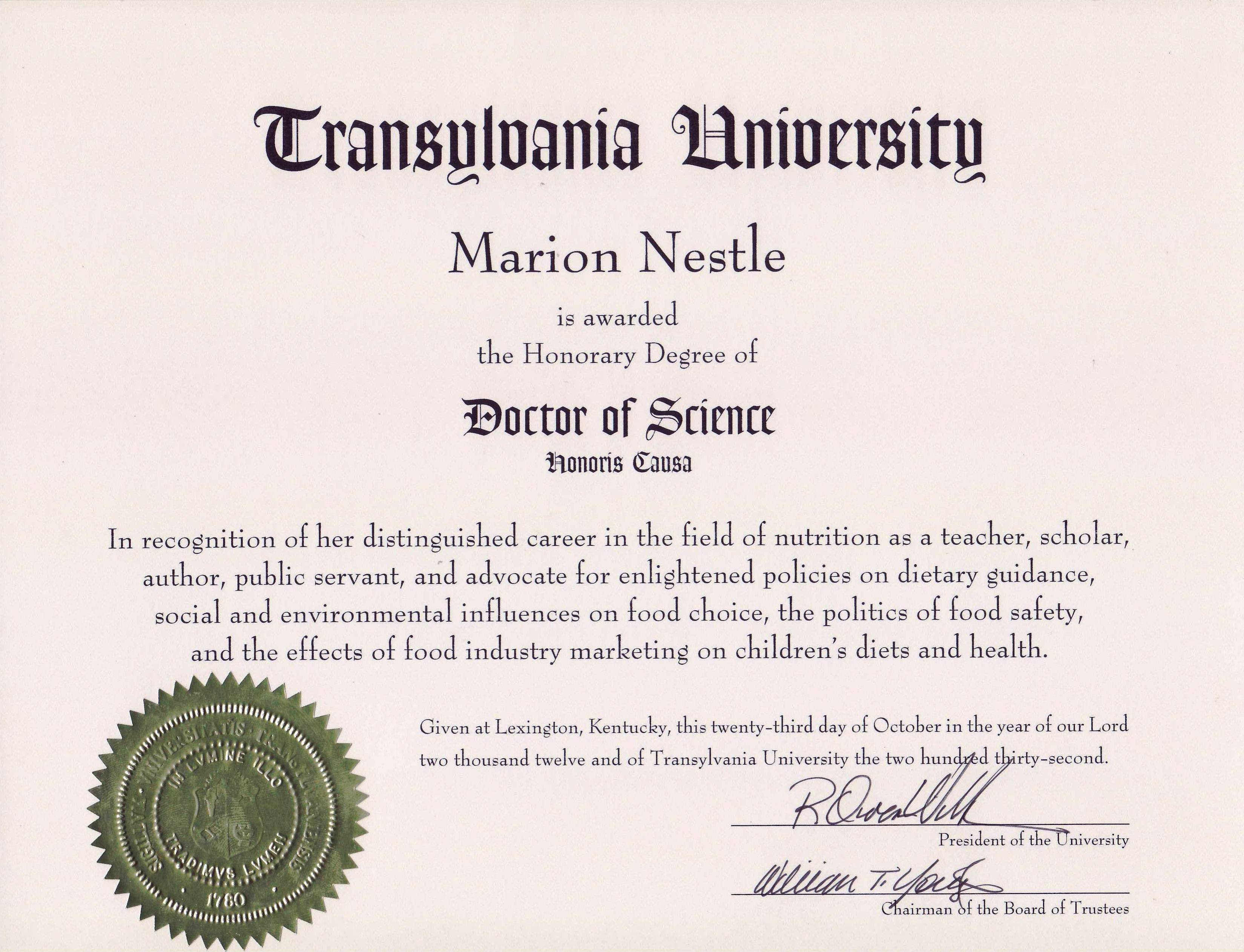
An honorary degree from Transylvania University: I’m honored!

Self-promotion alert:

I gave a talk on food politics at Transylvania University  on Tuesday and was given an Doctor of Science degree, honoris causa.

I’ve never gotten an honorary degree before.  In the academic world these are a big deal, so this feels really special.

Want to see what one looks like?  As you might imagine, I like the inscription.

Transylvania University is a small (1,000 students) liberal arts college in Lexington, Kentucky and there’s no point in making vampire jokes.  They’ve already heard them all.

Source: http://www.foodpolitics.com/2012/10/an-honorary-degree-from-transylvania-university-im-honored/

almased synergy diet grapefruit diet plan bee pollen diet fbf diet bariatric surgery diet

Thursday, 1 November 2012

Arsenic in rice: how concerned should you be?

If you knew there was arsenic in your food, would you eat it? More importantly, would you serve it to your children?

Recently, Consumer Reports Magazine released their analysis of arsenic levels in rice products, and the results were concerning. Popular rice products including white rice, brown rice, organic rice baby cereal, and rice breakfast cereals, were all found to contain arsenic, a potent carcinogen that can also be harmful to a child’s developing brain.

“In virtually every product tested, we found measurable amounts of total arsenic in its two forms. We found significant levels of inorganic arsenic, which is a carcinogen, in almost every product category, along with organic arsenic, which is less toxic but still of concern.”

The study not only found a significant amount of arsenic in many rice products on the market, but also that arsenic levels in the blood directly increase with greater rice consumption.(1) Several products tested had more arsenic in each serving than the 5 parts per billion (ppb) limit for adults set by the EPA as safe. (2)

What’s worse, many of these arsenic-containing rice products are marketed to children and infants as “health foods”, and children are far more susceptible to the dangerous impacts of arsenic exposure. (345) Research suggests that high levels of arsenic exposure during childhood are associated with neurobehavioral problems as well as cancer and lung disease later in life. (6) This means parents must be especially careful to avoid serving their children food with significant levels of arsenic.

While many of my readers follow a strict Paleo diet and couldn’t care less about arsenic in rice, there are many more who are more liberal in their diet and consume white rice as a “safe” starch. In fact, rice is often recommended by well-educated bloggers such as Paul Jaminet as a component of a perfectly healthy and enjoyable diet. I personally eat white rice on occasion and feel it is a safe starch for those who tolerate it. But now that there is a new issue with rice consumption, one that has nothing to do with carbohydrates, does that mean we should avoid it entirely?

White rice can be a “safe” starch

I don’t think it’s necessary to completely eliminate rice from the diet. The EPA’s 5 ppb per day limit on arsenic is probably what we should shoot for in our diets, in light of current evidence. Many of the white rice products tested had fairly low levels of arsenic, and in the context of a few servings a week for an adult, it’s probably not an issue. As for very young children and infants, I don’t recommend serving them rice products in general, so they shouldn’t be exposed to arsenic from rice anyway. Pregnant women may want to be cautious about their rice intake, and minimize their exposure to arsenic to protect their developing fetus; finding another safe starch to replace rice during pregnancy would be wise.

So if you choose to purchase white rice, buy a brand made in California like Lundberg; their California White Basmati Rice has only 1.3 to 1.6 ppb arsenic per serving (1/4 cup uncooked), well below the safe limit. In addition, rinsing the rice before cooking and boiling it in a high water-to-rice ratio can help reduce the arsenic content significantly. (7) So if you want to keep white rice as a part of your diet, I recommend looking for a safe brand like Lundberg and rinsing the rice thoroughly before cooking in a large quantity of water; this should be adequate to make rice a safe food to eat in moderation.

Brown rice: Not a health food!

Brown rice, on the other hand, has significantly more arsenic than white rice and should be avoided or consumed rarely. Some of the brown rice brands tested contained at least 50% more than the safe limit per serving, and a few even had nearly double the safe limit. (PDF with complete details of test results) Note that some of the worst offenders for arsenic are made from brown rice: processed rice products like brown rice syrup, brown rice pasta, rice cakes and brown rice crisps. These processed products are commonly consumed by those following a “healthy” whole grain rich or gluten-free diet, but they clearly pose a significant risk of arsenic overexposure, especially if a person eats more than one serving per day. Obviously, brown rice is not a food that should be a dietary staple, or even eaten on a regular basis.

#Arsenic: another reason to prefer white rice over brown? Tweet This

Aside from having a higher arsenic content, there are other reasons to avoid brown rice: it’s harder to digest and nutrient absorption is likely inferior to white rice because of phytates in the rice bran. (8) Despite a higher nutrient content of brown rice compared to white rice, the anti-nutrients present in brown rice reduce the bioavailability of any vitamins and minerals present. (9) Plus, brown rice also reduces dietary protein and fat digestibility compared to white rice. (10) In short, brown rice is not a health food for a variety of reasons, and a higher arsenic content is simply another reason to avoid eating it.

No food is completely safe or without some level of contamination risk: vegetables make up 24 percent of our arsenic exposure and tap water can legally contain 10 ppb arsenic per liter (some systems even exceed the legal limit.) (11) So while rice may contribute an unsafe level of arsenic, it’s certainly not the only source in our diet, and we need to be cautious about demonizing an entire class of food based on a soundbite from a news story. While I don’t think rice is a necessary component of a healthy diet, I do think it can be incorporated safely as a source of starch: just be sure to pay attention to the brand you’re buying, as well as your method of preparation.

Is rice a major staple in your diet? Will you continue eating it, or is this arsenic report enough to put you off rice altogether? Share your opinion in the comments below!

Source: http://chriskresser.com/arsenic-in-rice-how-concerned-should-you-be

abs diet la weight loss low carb diet plan protein diet food lovers diet

Obie the Obese Dachshund Falls Into Custody Battle

Obie, America’s famous obese dachshund, has found himself in the middle of a custody battle between his foster care provider, Nora Vanatta, and the Oregon Dachshund Rescue group, which claims to be his rightful owners. This pudgy pooch recently weighed in at 77 pounds and is now required to wear a harness so his body [...]

Source: http://www.dietsinreview.com/diet_column/10/obie-the-obese-dachshund-falls-into-custody-battle/

diet for diabetics natural weight loss diet chicken recipes belly fat diet hgc diet

Parental "No" Files - Forget About Breakfast Out


That picture up there is the kids' menu "Hansel and Gretel" breakfast from the Tutti Frutti restaurant here in Ottawa.

I guess it's appropriately named because it would certainly feed both Hansel and Gretel and perhaps even the mean witch.

My wife took the picture while on a "special date" with my 5 year old.

It's not surprising either.

A study conducted by the Center for Science in the Public interest a few years ago revealed that 93% of kids' meals contained more calories than a kids meal ought.

And those were primarily from the fast food places.

Fast casual things are probably even worse (as you can see up above).

Now my wife and I can count on our fingertips the number of times we've taken our 8, 5 and 3 year olds out to restaurants when we weren't travelling so I wasn't particularly concerned about the meal - yet many families practice regular meals out....

But I'm posting this for another reason as well. Take a peek at the portion up above as compared with the photo of the portion from Tutti Frutti's website.


I'd say the portion served to my daughter was nearly double the size of the advertised portion, and while Tutti Frutti doesn't post calorie counts on their menu, had they done so we'd have been duped as the portion served was markedly larger than the optimized portion used for photos and presumably also used for caloric analysis.

Gotta say - as far as parental "Nos" go - this is one I wholeheartedly think is on us as parents. The world isn't built for kids (or adults for that matter) to eat out regularly and come out the other end unscathed.

Source: http://feedproxy.google.com/~r/blogspot/fLgR/~3/mO3heGEPTOk/parental-no-files-forget-about.html

abs diet online healthy diet plan high fiber diets akins diet crash diet

Good Smoothie vs. Bad Smoothie: The Facts on Fast-Food Smoothies

jamba juice

(CC) libookperson/Flickr

Smoothies are one of the most deceptive menu items you can order. Many claim to be loaded with fruit and other assorted goodness, but the truth is, the sugar intake in the wrong kind of smoothie could be quadruple that in a chocolate bar. Here are some tips on how to select a healthy smoothie.

If you’re stopping by Jamba Juice, you’ll want to avoid the Jamba Juice Strawberries Wild. The 30 oz. option contains a whopping 510 calories and 118 grams total sugar. Instead, go with something like the Jamba Juice All Fruit Smoothie: Mega Mango. The 22 oz. size has 340 calories and 85 grams total sugar.

McDonald’s has even gotten into the smoothie act. The fast food chain offers a waist-busting Strawberry Banana Smoothie. The 22 oz. size has 330 calories and 77 grams total sugar. For a healthier option, choose the Wild Berry Smoothie in a smaller size. The 12 oz. contains 210 calories and 44 grams total sugar.

Dunkin’ Donuts isn’t just for coffee anymore. You can now order a Strawberry Fruit Coolatta, but it’ll cost you a lot more than money. The large, 32 oz. size has 470 calories and 114 grams total sugar. However, the Orange Fruit Coolatta, when ordered as a small 16 oz. size, has just 210 calories and 54 grams total sugar.

Starbucks offers a Chocolate Smoothie made with 2 percent milk. A 16 oz. size contains 300 calories and 34 grams total sugar. A slightly better option is the Starbucks Orange Mango Smoothie made with nonfat milk. The same 16 oz. size has 260 calories and 37 grams of total sugar.

Last but not least is Burger King. The home of the Whopper is now home of the smoothie as well. The chain’s large Tropical Mango Smoothie has 450 calories and 85 grams of total sugar, while the small Strawberry Banana Smoothie has 200 calories and 40 grams of total sugar.

The bottom line is eat, drink and be merry. Just do a bit of research so you can make smarter, more informed decisions. Bottoms up!

(By Marissa Brassfield for CalorieLab)

Ed. note: Enjoyed this post? Click the “Like” button below and be sure to “Like” the CalorieLab Facebook page.

Good Smoothie vs. Bad Smoothie: The Facts on Fast-Food Smoothies is a post from: CalorieLab - Health News & Information Blog

Source: http://calorielab.com/news/2012/10/29/good-smoothie-vs-bad-smoothie-the-facts-on-fast-food-smoothies/

food lovers diet diet tips dukan diet weight loss diets pregnancy diet

UK Report Finds Inadequate Pre- and Post-Surgical Care for Bariatric Patients

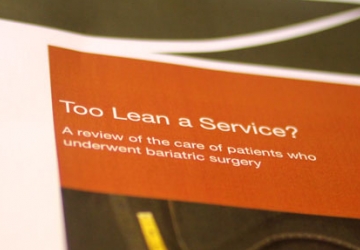
Last month, the UK National Enquiry into Patient Outcome and Death (NCEPOD) released a report (Bariatric Surgery: Too Lean a Service) on the process of care for patients aged over 16, who underwent bariatric surgery for weight loss in the UK and found that significant improvements are needed across the whole of the care pathway, with more emphasis on specialist support before and after surgery.

The report is based on findings from in-depth case reviews of 381 patients who had bariatric surgery with the UK National Health System (n=223) or in private hospitals (n=173) in England, Wales, Northern Ireland, the Isle of Man, Guernsey, and Jersey.

The report highlights a number of important deficiencies in the care of these patients including, lack of assessments and consultations by dietitians or psychologists both before and after surgery, significant delays in follow-up, surgery on patients who did not meet guidance criteria, high readmission rates, inadequate consent forms and procedures, low surgical volumes, and lack of follow-up.

It also found that two out of three websites of programs failed to give a clear explanation of the risks involved and of the chances of achieving weight loss.

The report lists a number of proposals to improve bariatric surgery including ensuring that all patients have access to the full range of appropriate specialist professionals, a deferred two-stage consent process, and postoperative dietary guidance.

It also clearly recommends that all decisions on whether or not a patient is suitable/ready for weight loss surgery should be made with the input of a number of different health care professionals.

Although standards may well vary between countries, I have no doubt that careful review of the quality of pre-, peri-, and post-surgical care of bariatric surgery patients will probably leave much to be desired in most countries, including perhaps in Canada.

The report certainly makes clear that neither the decision to undergo surgery nor the processes and standards to ensure acceptable outcomes are to be taken lightly.

Bariatric surgery (even in its most minimally invasive form) remains a serious and complex intervention for a serious and complex problem - any health professional suggesting anything else, is guilty of nothing less than professional misconduct.

AMS
Edmonton, Alberta

Source: http://feedproxy.google.com/~r/AryaSharma/~3/eEtXa0QhbwU/uk-report-finds-inadequate-pre-and-post-surgical-care-for-bariatric-patients.html

best diet plan weight loss diet hcg hormone diet easy diet plans diet cookies

How to Cook with Sage

Even for beginner-level cooks, sage is a beautiful and robust herb that should be introduced into recipes early on in the experimenting process. This soft, leafy herb has a woodsy, slightly sweet and minty aroma and infuses dishes with a distinct flavor that screams all-things Thanksgiving. In addition to making dishes taste wonderful, sage also [...]

Source: http://www.dietsinreview.com/diet_column/10/how-to-cook-with-sage/

crash diet oatmeal diet diet.com how to diet best detox diet

16 reasons to lose weight

Most people want to lose weight because of the obvious reasons; they want to look better, be more attractive and they don ‘ t want to be fat because being fat carrier to stigma in our society of being lazy and ‘s. Wherever you look skinny people are idolized in magazines, on TV and on the Internet as being popular, attractive and successful. Everyone wants these qualities because it boosts self-esteem, which is something that people who are overweight battle with on a daily basis. From a very young age right up until adulthood, being overweight comes with a self-consciousness. The 21st century has brought about a health craze, now more than ever people are trying to lose weight. With TV shows like the “Biggest Loser” and “Dance You’re A *** Off” we are promoting not only losing weight but becoming healthier. There are so many reasons to want to lose weight however the healthier reasons should be closer to the top of the list rather than the aesthetic ones. Use these reasons to motivate you to lose excess weight.


1. Reduce Asthma Symptoms-Although asthma is not caused by extra weight on the body, excess weight can worsen and aggravated asthma symptoms. When your overweight, the respiratory system has to work harder. Excess weight puts a strain on the lungs and adrenal glands, which manage asthma symptoms. Losing weight can reduce asthma symptoms as well as minimize the frequency of their appearance.


2. Better Breathing-Excess weight puts pressure on the internal organs, which includes your lungs. More weight puts strain on the lungs making them have to work harder to breath in oxygen and breath out carbon dioxide. By losing weight, there is less pressure on your lungs making it easier for oxygen and nutrients to be spread throughout the body.


3. Improve Blood Pressure-Overweight people have double the risk for hypertension (high blood pressure). This is caused because the excess weight puts pressure on the veins, making the heart have to pump harder to push the blood throughout the body. When you lose weight its easier for the blood to circulate throughout the body therefore lowering blood pressure.


4. Decrease the Risk of Heart Disease-Excess weight around the abdominal section of the body increases the risk for life threatening diseases such as heart disease. To reduce this risk you need to lose weight, especially around the mid section.


5. Lower Cholesterol-Being overweight increases your risk of having high LDL bad cholesterol, and low HDL good cholesterol. By losing weight you can lower LDL CHOLESTEROL, lower total cholesterol and HDL cholesterol improve. It can also keep you off cholesterol medications that your doctor may recommend.


6. Decrease Medication – Many medications, prescriptions and OTC medications can be traced back to carrying excess weight on the body. Doctors prescribe all types of medications for people who are overweight such as blood pressure (antihypertensive), cholesterol (statin), insulin for diabetes, and drugs to lower blood sugars. However, by losing weight, you can reduce the need for these medications. You can even reverse the effects I know medication is no longer needed.


7. Reverse Type 2 Diabetes-Obesity is a major risk factor for Type 2 Diabetes. Diabetes is the most common disease for people who are overweight. However, you can reverse the effects by losing weight. Weight loss is the most recommended treatment for people who are borderline diabetic. By losing weight you can regulate blood sugar levels and insulin secretion in normalize the body.


8. Reduced Risk of Cancer-Obesity has been linked to some forms of cancer. Women who are overweight are more prone to have breast cancer, cervical cancer, and ovarian cancer. Men who are overweight are more prone to prostate and colon cancer. By losing weight you reduce the risk for any and all of these cancers.


9. Relieve Arthritis Pain-Excess weight puts added pressure on the joints such as the knees and ankles. For people who have arthritis, inflammation in these joints already reduces mobility and function. By losing weight, you can reduce the pressure on these joints, which can relieve arthritis pain. It will also improve function in these joints making it easier to move.


10 Relieve Aches and Pains-Our feet bear all the weight of our entire body. The more weight you have the more stress your feet have to bear on a daily basis. When you lose weight there is less pressure on your feet making it easier to move around and be active.


11. Better Skin–With every pound of extra weight, the more your skin stretches. As we age the elasticity in your skin declines. Therefore having excess weight as you age will decrease the ability of your skins elasticity. Additionally ones diet can cause changes in ones skin color and elasticity. Overweight people consume larger amounts of carbohydrates and sugars, which causes skin to be paler in color and can increase the amount of skin tags, excess growths of skin on the outside of the body. By reducing these types of foods in ones diet, you can lose weight and also revitalize the skin.


12. Sleep Sound-People who are overweight have a higher risk for sleep disorders. Excess weight can increase the likelihood of diminished sleep due to sleep apnea. Sleep apnea sleep sound lowers fat loss when dieting, which reduces the ability to sleep all the way through the night. By losing weight you can decrease sleep apnea symptoms and sleep all the way through the night.


13. Increased Endurance and Stamina–With every extra pound added to dead weight, you reduce the ability to do activities every day because you become tired or winded. As these activities become difficult you try to avoid them or find ways around them. However if you lose weight it becomes easier to walk, exercise, climb stairs, etc.


14. Better Mood-When one is overweight the bodies system is out of balance. This includes the amount of hormones that control mood. Overweight people are at risk for severe depression and most suffer from depressive feelings. Additionally depression can cause one to become overweight because depression reduces the desire to help or prevent themselves from becoming overweight. Losing weight can improve ones overall well being, self image and boosting self-confidence. Exercise increases the release of endorphins, a hormone that enhances mood, which eliminates depressive feelings. To balance the hormones in the body reduces the amount of fat tissue in the body.


15. Increase Quality of Life-Overweight people typically suffer from low self esteem, have feelings of shame, and are more socially isolated. Additionally, sexual performance can be compromised by excess weight. When you lose weight you become more confident in yourself. You have confidence in your appearance and you feel better about not only the way you look but also yourself in general. This improves your ability to meet people, gain friends, socialize, and have romantic relationships.


16. Increase Longevity-Added weight on the body not only increases the risk of disease, but it reduces ones life expectancy. Losing weight can drastically increase the length of ones life. Eating healthier and exercising can increase the longevity of ones life. This includes eliminating and avoiding bad habits.


Source: http://feedproxy.google.com/~r/WeightLossEasily/~3/6bqS6dsR2r8/16-reasons-to-lose-weight

400 calorie diet healthy diet plans cholesterol diet menu diets for women diabetic diet

UK Report Finds Inadequate Pre- and Post-Surgical Care for Bariatric Patients

Last month, the UK National Enquiry into Patient Outcome and Death (NCEPOD) released a report (Bariatric Surgery: Too Lean a Service) on the process of care for patients aged over 16, who underwent bariatric surgery for weight loss in the UK and found that significant improvements are needed across the whole of the care pathway, with more emphasis on specialist support before and after surgery.

The report is based on findings from in-depth case reviews of 381 patients who had bariatric surgery with the UK National Health System (n=223) or in private hospitals (n=173) in England, Wales, Northern Ireland, the Isle of Man, Guernsey, and Jersey.

The report highlights a number of important deficiencies in the care of these patients including, lack of assessments and consultations by dietitians or psychologists both before and after surgery, significant delays in follow-up, surgery on patients who did not meet guidance criteria, high readmission rates, inadequate consent forms and procedures, low surgical volumes, and lack of follow-up.

It also found that two out of three websites of programs failed to give a clear explanation of the risks involved and of the chances of achieving weight loss.

The report lists a number of proposals to improve bariatric surgery including ensuring that all patients have access to the full range of appropriate specialist professionals, a deferred two-stage consent process, and postoperative dietary guidance.

It also clearly recommends that all decisions on whether or not a patient is suitable/ready for weight loss surgery should be made with the input of a number of different health care professionals.

Although standards may well vary between countries, I have no doubt that careful review of the quality of pre-, peri-, and post-surgical care of bariatric surgery patients will probably leave much to be desired in most countries, including perhaps in Canada.

The report certainly makes clear that neither the decision to undergo surgery nor the processes and standards to ensure acceptable outcomes are to be taken lightly.

Bariatric surgery (even in its most minimally invasive form) remains a serious and complex intervention for a serious and complex problem - any health professional suggesting anything else, is guilty of nothing less than professional misconduct.

AMS
Edmonton, Alberta

Source: http://feedproxy.google.com/~r/AryaSharma/~3/eEtXa0QhbwU/uk-report-finds-inadequate-pre-and-post-surgical-care-for-bariatric-patients.html

abs diet online healthy diet plan high fiber diets akins diet crash diet